


Full Hydraulic Vibratory Road Roller Working Principle and Repair
Road Roller Troubleshooting and Repair: Vibration System
1. Poor Vibration Damping Effect
Causes:
1.1 Broken rubber damping blocks.
1.2 Loose or broken bolts connecting the rubber dampers, vibration motor, and other parts.
1.3 Aged and hardened rubber damping blocks on the steel wheel, reducing elasticity.
1.4 Hinged frame too loose or too tight.
Solutions:
1.1 Replace the rubber damping blocks.
1.2 Tighten bolts as required and replace bolts.
1.3 Replace the damping blocks.
1.4 Adjust the tightness of the hinged frame.
2. Insufficient Vibration Frequency
Causes:
2.1 Low hydraulic oil level.
2.2 Low engine speed.
2.3 Incorrect mechanical displacement adjustment of the oil pump (closed system).
2.4 Damaged relief valve or pressure setting below working pressure.
2.5 Worn vibration pump or vibration motor.
2.6 Insufficient flow rate of the vibration control valve. 2.7 Vibration bearing damage.
2.8 Insufficient or damaged replenishing pump (closed system).
2.9 Clogged oil filter.
Solutions:
2.1 Replenish oil.
2.2 Adjust speed.
2.3 Adjust displacement.
2.4 Repair, adjust, or replace.
2.5 Repair or replace.
2.6 Adjust flow rate or replace.
2.7 Repair or replace.
2.8 Clean or replace.
3. Vibration wheel not vibrating.
Causes:
3.1 Low oil level in tank.
3.2 Electrical circuit failure.
3.3 Damaged relief valve.
3.4 Damaged vibration bearing.
3.5 Damaged motor connection.
3.6 Damaged pump connection.
3.7 Damaged pump or motor.
3.8 Problem with replenishing pump (closed system).
3.9 Sticky flush valve core.
3.10 Vibration control valve stuck or damaged.
3.11 Oil filter clogged, affecting oil replenishment.
Solutions:
3.1 Replenish oil.
3.2 Check circuit.
3.3-3.11 Repair or replace corresponding components.
4. Only large vibration or only small vibration.
Causes:
4.1 Closed circuit.
4.11 Corresponding main relief valve malfunction.
4.12 Corresponding vibration pump vibration control valve electrical connection fault.
4.13 Vibration pump damping orifice blocked.
4.14 Corresponding vibration control valve malfunction.
4.2 Open circuit.
4.21 Corresponding vibration pump vibration control valve electrical connection fault.
4.22 Vibration solenoid valve stuck.
Solutions: Repair or replace corresponding components.
5. Vibration wheel overheating.
Causes:
5.1 First check the gear oil in the vibration chamber. Too much or too little oil, or deteriorated oil, will cause high temperature.
5.2 Assuming gear oil issues are ruled out, check the wear of the vibrating bearing and its mating parts.
Solutions:
5.1 Adjust or replace gear oil as needed.
5.2 If wear is severe, replace the eccentric shaft.
6. Hydraulic System Overheating
Causes:
6.1 Cooler blocked.
6.2 Motor flushing valve blocked or valve core stuck (closed type).
6.3 Pressure shut-off valve setting exceeds relief valve setting (closed type).
6.4 Air in the system (compression heat).
6.5 Hydraulic pump and motor wear.
6.6 Excessive foam in the working oil.
6.7 Relief valve pressure setting lower than working pressure.
Solutions:
6.1 Clean or replace.
6.2 Reset.
6.3 Bleed air.
6.4 Repair or replace.
6.5 Remove foam.
6.6 Reset or replace. Friendly reminder: In case of hydraulic failure, pressure gauges, frequency meters, and other tools should be readily available.
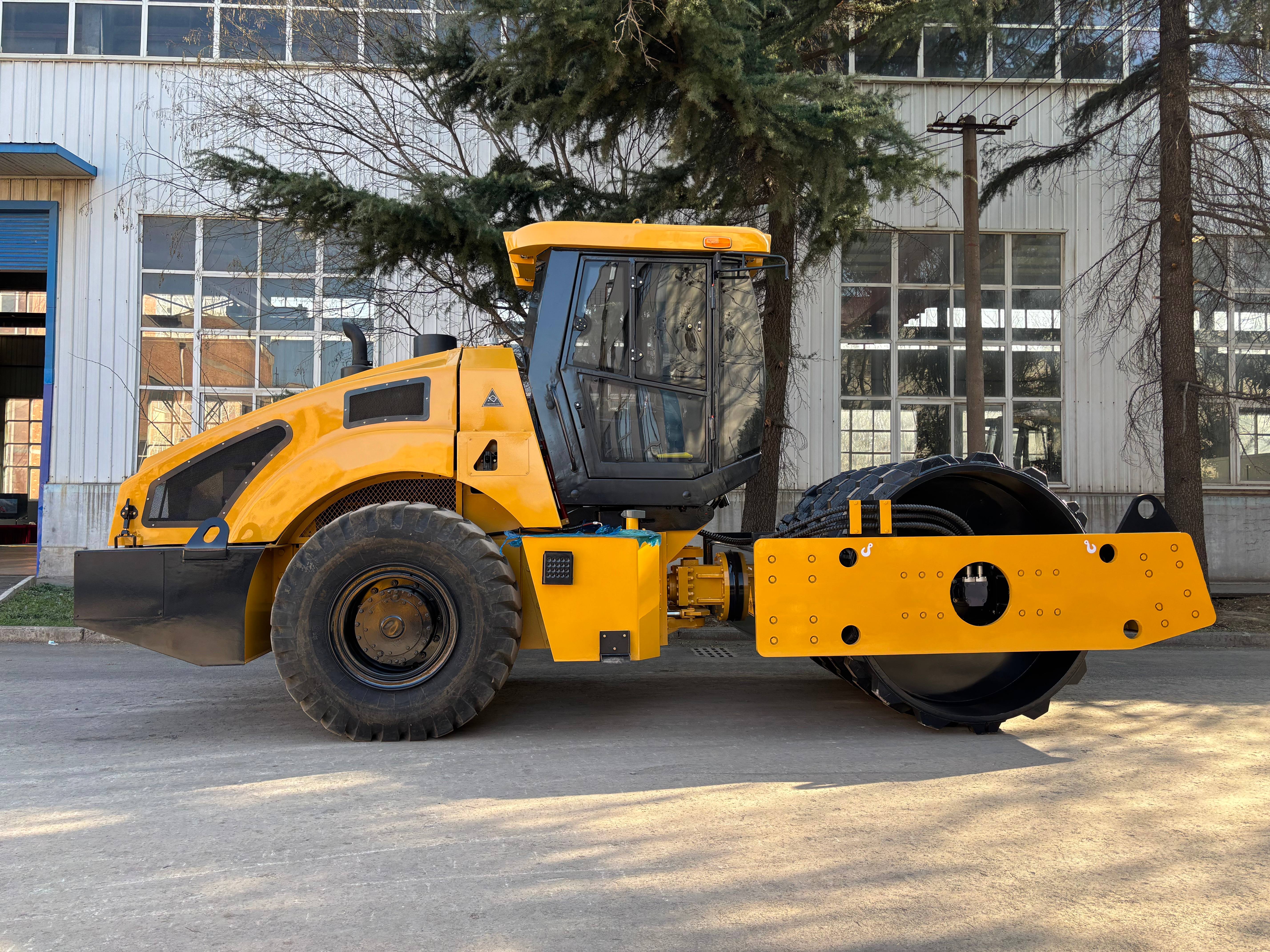
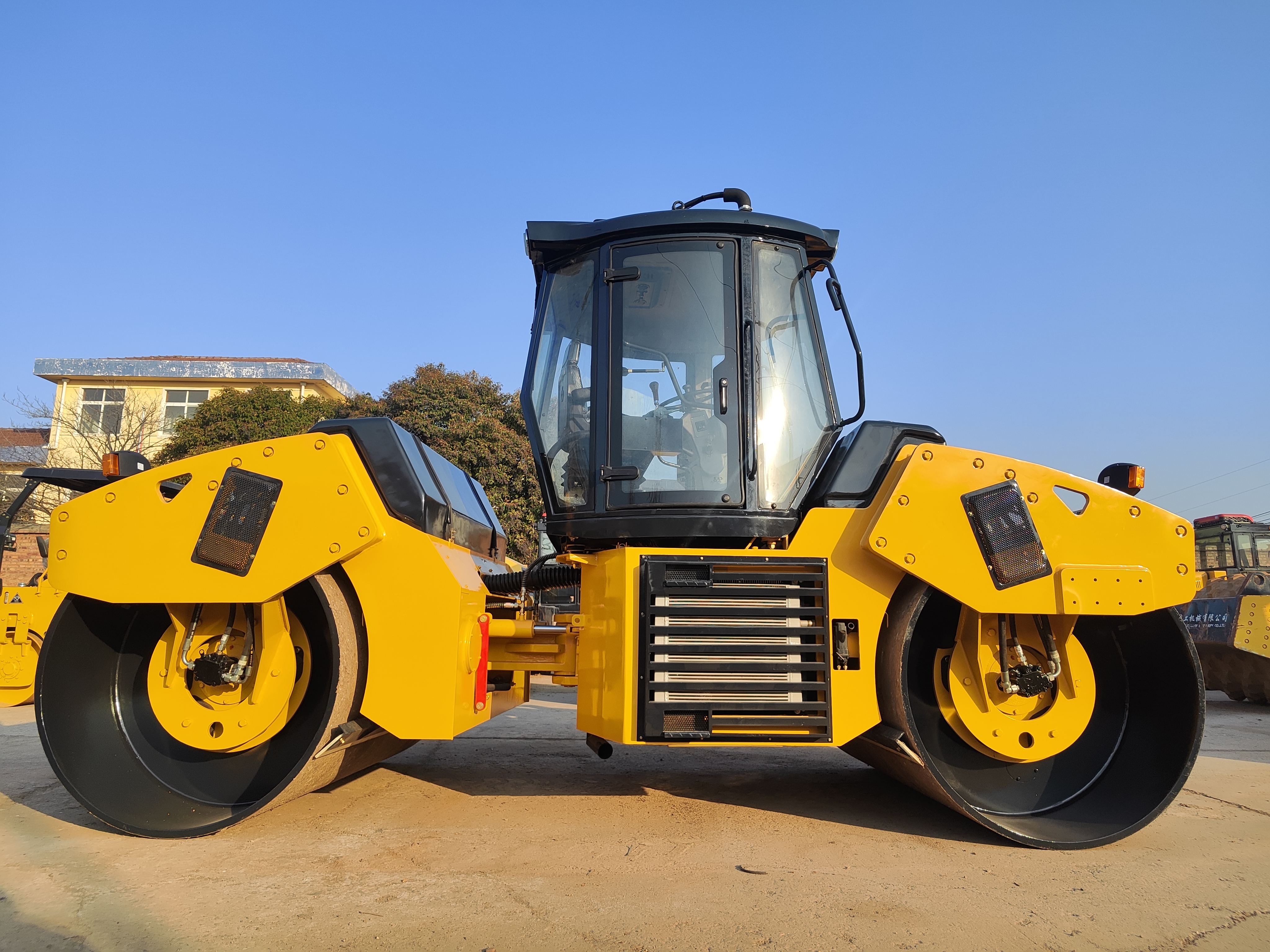
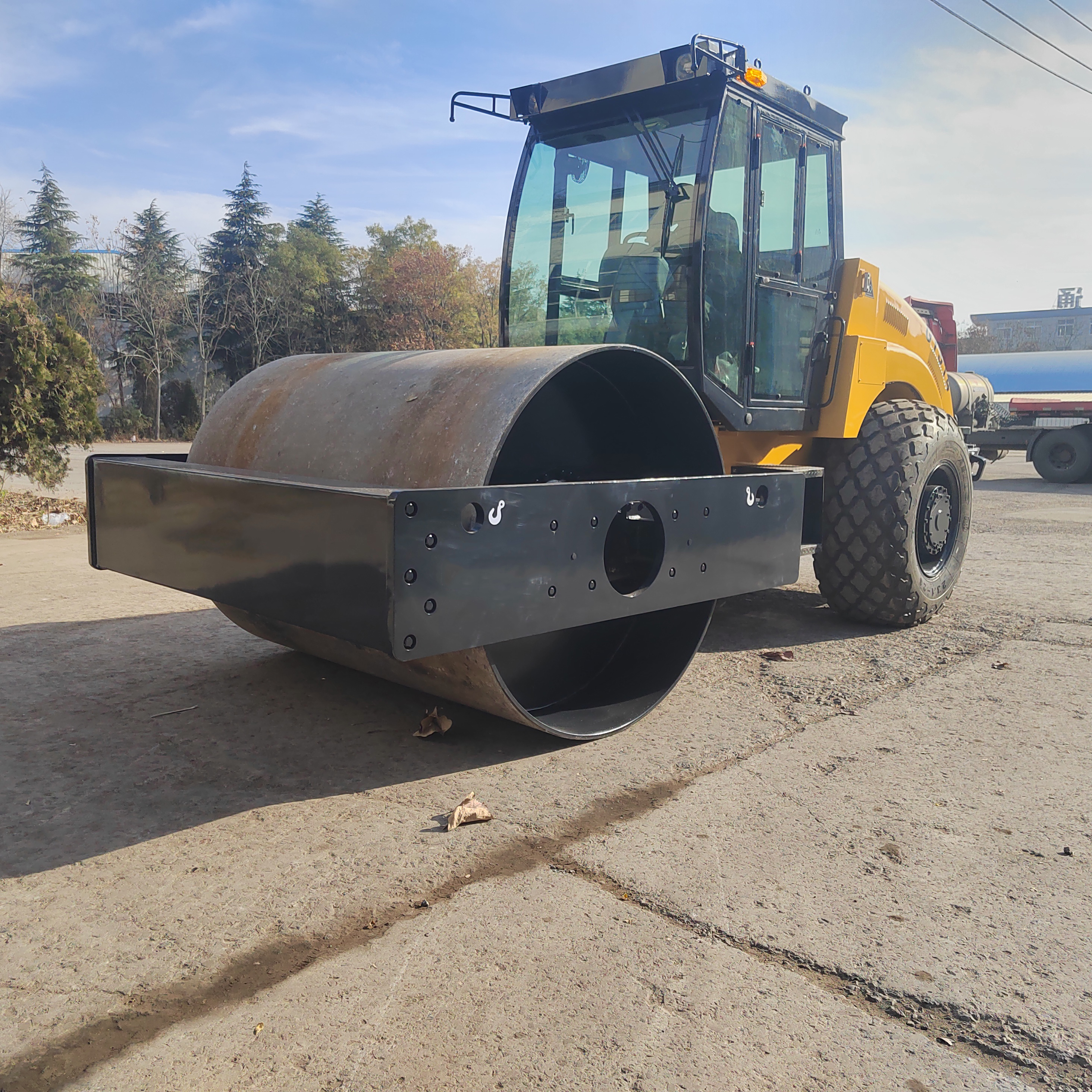
The Lutong LTD740H road roller is a 40-ton fully hydraulic dual-drive vibratory roller. Utilizing advanced and mature technology, it possesses powerful driving force and strong vibration force, making it a cost-effective compaction equipment for large-area, high-quality, high-efficiency, and mechanized construction. It is suitable for compacting low-polymer and non-cohesive materials such as gravel, crushed stone, sand-gravel mixtures, and sandy soils. It is an ideal equipment for foundation compaction in projects such as highways, mining roads, large dams, important ports, and industrial sites.