


Heavy Duty Vibratory Compactor Roller For Road Foundation Compaction
Vibratory Rollers
What Do You Know About Vibratory Rollers? This Guide Covers It All
In the entire process of road or foundation compaction and leveling, the use of road rollers is an indispensable and crucial link. In today's society, which is responding to the call for high-quality development,
road rollers are also constantly advancing in intelligent manufacturing and efficient operation. Today, vibratory rollers are undoubtedly the "C-position" in the road roller industry. So what are their true capabilities?
1. Application Effects
Vibratory rollers utilize their own weight and vibration to compact various building and road construction materials. Because they can adapt to various non-cohesive soils, gravel, gravel mixtures, and various
asphalt concretes, the road surface materials compacted by them have reduced porosity under vibration, becoming denser and achieving better compaction results. The road surface has good wear resistance
and a low repair rate.
Meanwhile, vibratory rollers can also "smooth out" large-diameter backfill materials, filling the gap in the compaction materials that static rollers can handle; they can also compact dry-hard cement concrete,
further unlocking more complex working conditions.
Onboard compaction gauges have also been successfully applied to vibratory rollers, allowing operators to promptly identify weak points in the construction road and take remedial measures, greatly reducing
potential quality problems.
Furthermore, vibratory rollers have high production efficiency; a small number of compaction passes are sufficient to achieve the required compaction degree, saving working time and effort, as well as fuel and
machine costs, significantly reducing investment costs. Therefore, vibratory rollers are increasingly shining on the compaction "stage."
2. Parameter Characteristics The main factors affecting the compaction effect of vibratory rollers are static linear load, amplitude and frequency, rolling speed and number of passes, and the width and diameter
of the vibratory drum, among which static linear load, amplitude, and frequency are the most important.
The compaction depth of a vibratory roller is roughly proportional to the mass of the vibratory drum. Generally, doubling the static linear load also doubles the compaction influence depth.
The working amplitude of a vibratory roller is affected by the soil stiffness. The same vibratory roller will have different working amplitudes under different soil stiffness conditions. The greater the soil stiffness,
the greater the working amplitude of the vibratory roller.
The working speed of a vibratory roller is an important indicator of productivity. In the initial stage of compaction, when the impact of vibration on the compaction effect is not significant, the working speed can
be higher. Towards the end of compaction, the working speed has a significant impact on the compaction effect; therefore, it is recommended that the working speed be lower at the end of compaction.
3. Classification of Models Vibratory rollers can be classified in various ways according to their working principle, structural characteristics, operating methods, and applications. However, generally speaking,
vibratory rollers are mainly classified according to their transmission method and structural weight: Transmission method—mechanical transmission, hydraulic-mechanical transmission, hydraulic-mechanical
transmission, and fully hydraulic transmission; Structural weight—light, small, medium, heavy, and super heavy.
Road rollers are also mainly classified according to the two methods mentioned above. However, for ease of reading, this article will focus on key models.
✔ Single Drum Vibratory Rollers
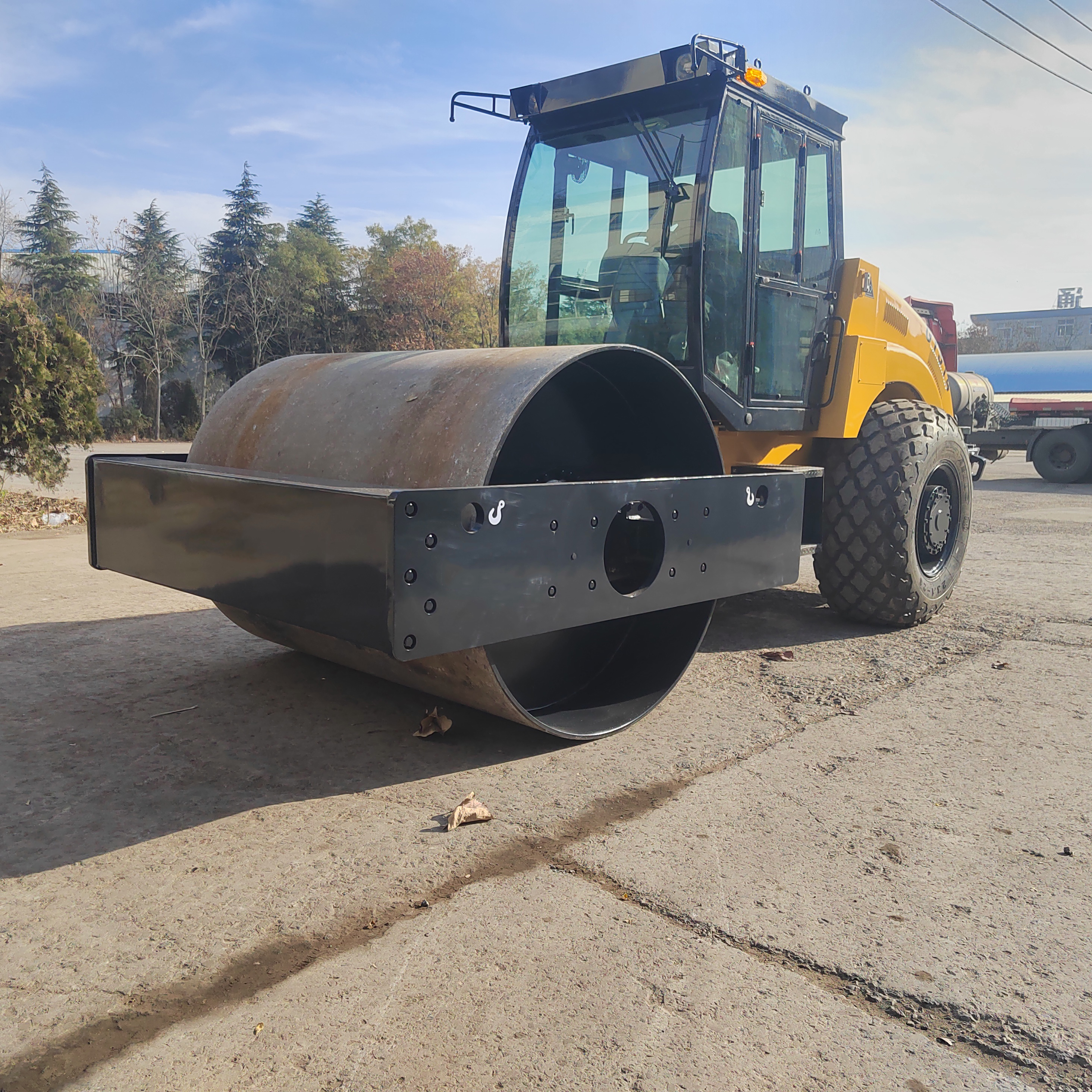
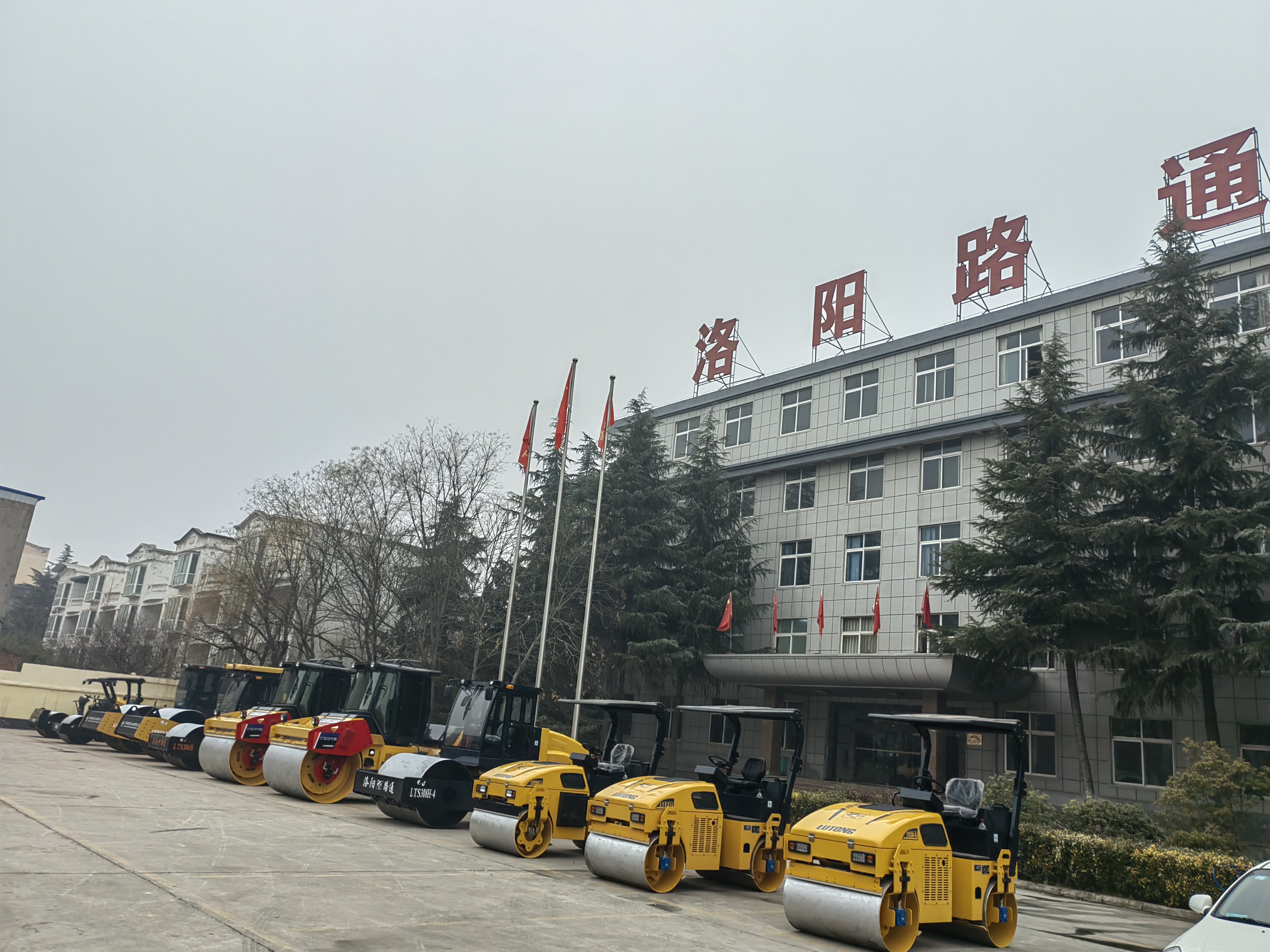
Single drum vibratory rollers cover a wide range of models, with working capacities ranging from 4 tons to 40 tons. Drive methods include both mechanical and hydraulic, adaptable to various working conditions.
4-10 ton single drum vibratory rollers include:
LT204/LT208/LT210 mechanically driven small rollers; LTS204H/LTS206H/LTS208H-Ⅱ fully hydraulic small rollers, etc.
These small rollers are mainly suitable for small projects or narrow working conditions, such as road repair, road shoulders, sidewalks, garden lawns, parking lots, municipal roads, highway maintenance,
sports fields, etc.
Single-drum vibratory rollers with a capacity of 10 tons or more include:
LTS720H-LTS728H series hydraulic rollers; LTD718H-LTD728H series hydraulic rollers; LT620B/LT623B double-amplitude vibratory rollers; LT618S-LT626S series double-amplitude vibratory rollers; LT212B-LT216B
series double-amplitude vibratory rollers; LTD740H/LTD736H/LTD733H high-altitude double-drive vibratory rollers, etc.
These rollers can be used for medium to large-scale engineering projects, such as highways, mining roads, large dams, important ports, and foundation compaction of industrial sites.
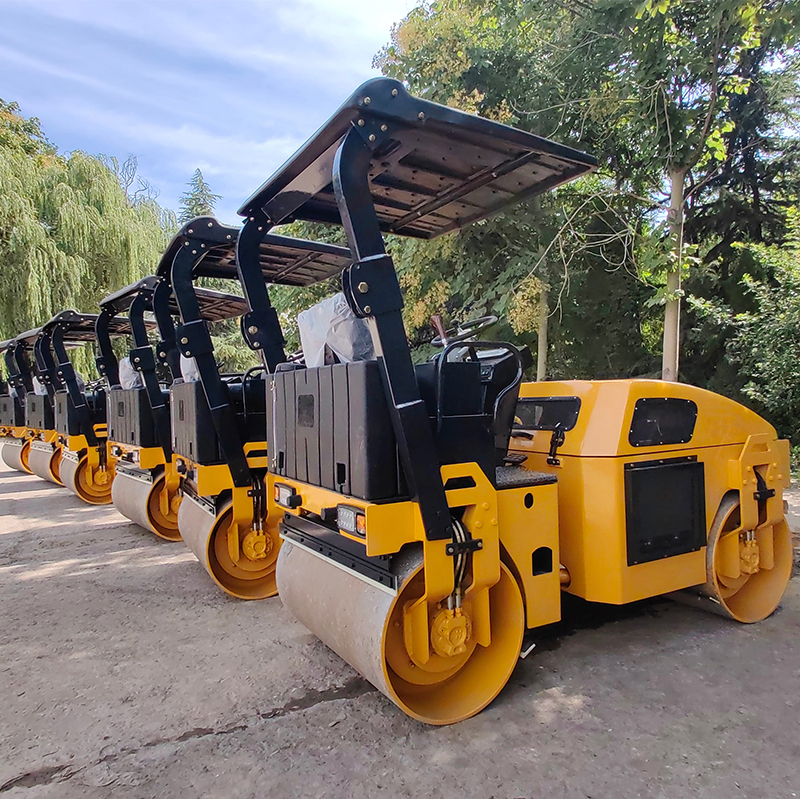
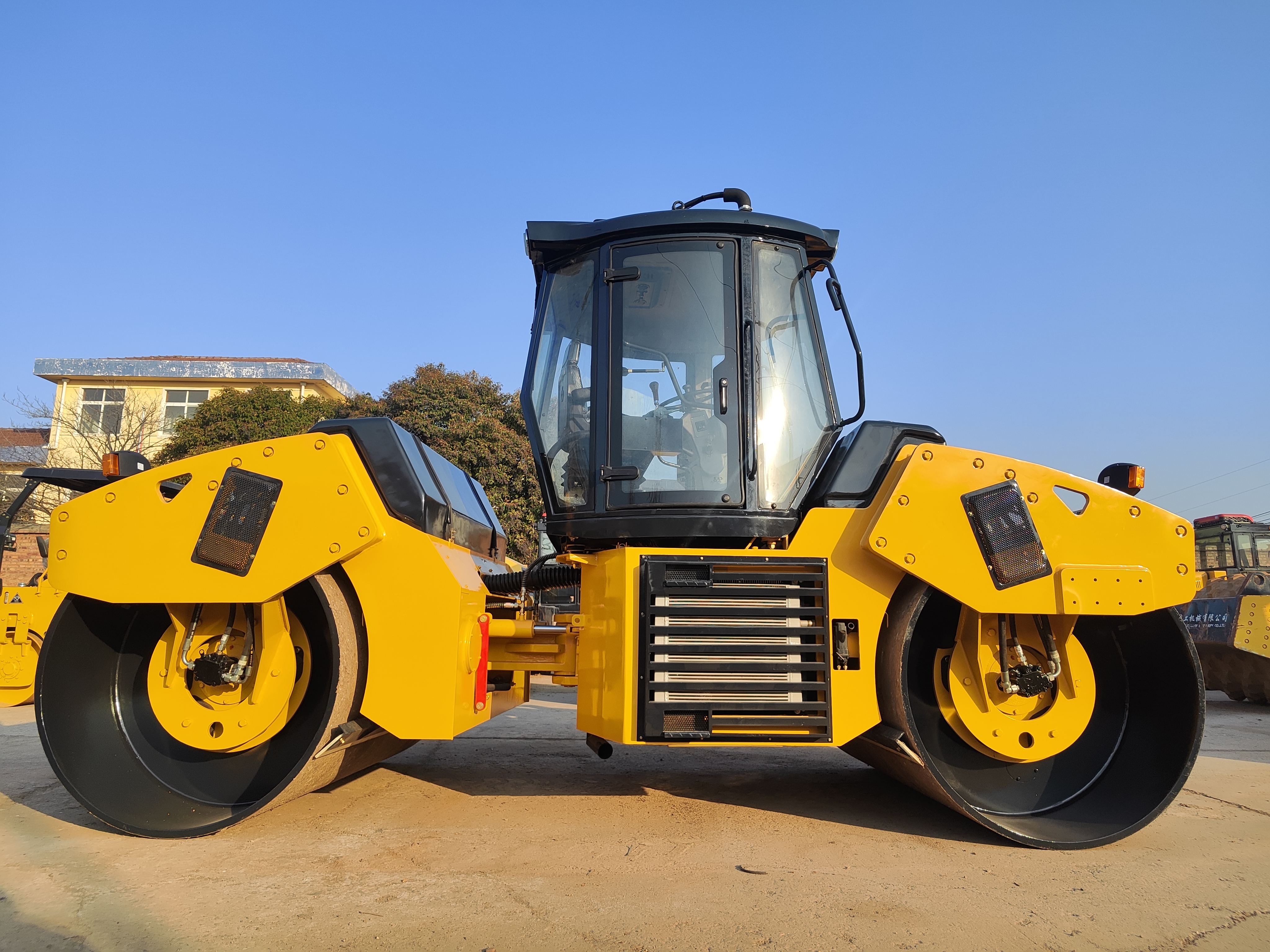
✔ Double-drum vibratory rollers: Double-drum vibratory rollers mainly consist of smaller models, ranging from 0.8 tons to 14 tons, and include walk-behind, seated, mechanical, and fully hydraulic types.
0.8-4 ton double-drum vibratory rollers include: LTC08H walk-behind vibratory roller (LTC08HZ is a similar seated type); LTC2020H and LTC2012H fully hydraulic double-drum drive; LTC3.5F double-drum vibratory
roller; LTC203 and LTC204 dual-drive dual-vibration rollers, etc.
5-ton and above double-drum vibratory rollers include: LTC6 and LTC6D double-drum vibratory/oscillating rollers; LTC214, LTC212, LTC210, and LTC208 tandem vibratory rollers, etc.
These rollers are suitable for compaction work on narrow surfaces such as municipal roads, highway maintenance, trench foundations, building construction, pipeline backfilling, sports fields, highway shoulders,
sidewalks, parking lots, and garden lawns. They can be used in conjunction with larger rollers.