


The beautician of asphalt roads: Lutong 30-ton fully hydraulic tire roller
How do pneumatic tire rollers work? Pneumatic tire rollers, also known as tire-mounted rollers, rely on vertical and horizontal pressure forces, along with the "kneading" force generated by the elasticity of the tires,
to achieve a good compaction effect, resulting in a smooth and dense surface. They are mainly suitable for asphalt pavements, such as those used in high-grade highways, tunnels, and bridges. Below, we'll unveil
the mystery of pneumatic tire rollers through an example: the Lutong 30-ton LTP30H fully hydraulic pneumatic tire roller.
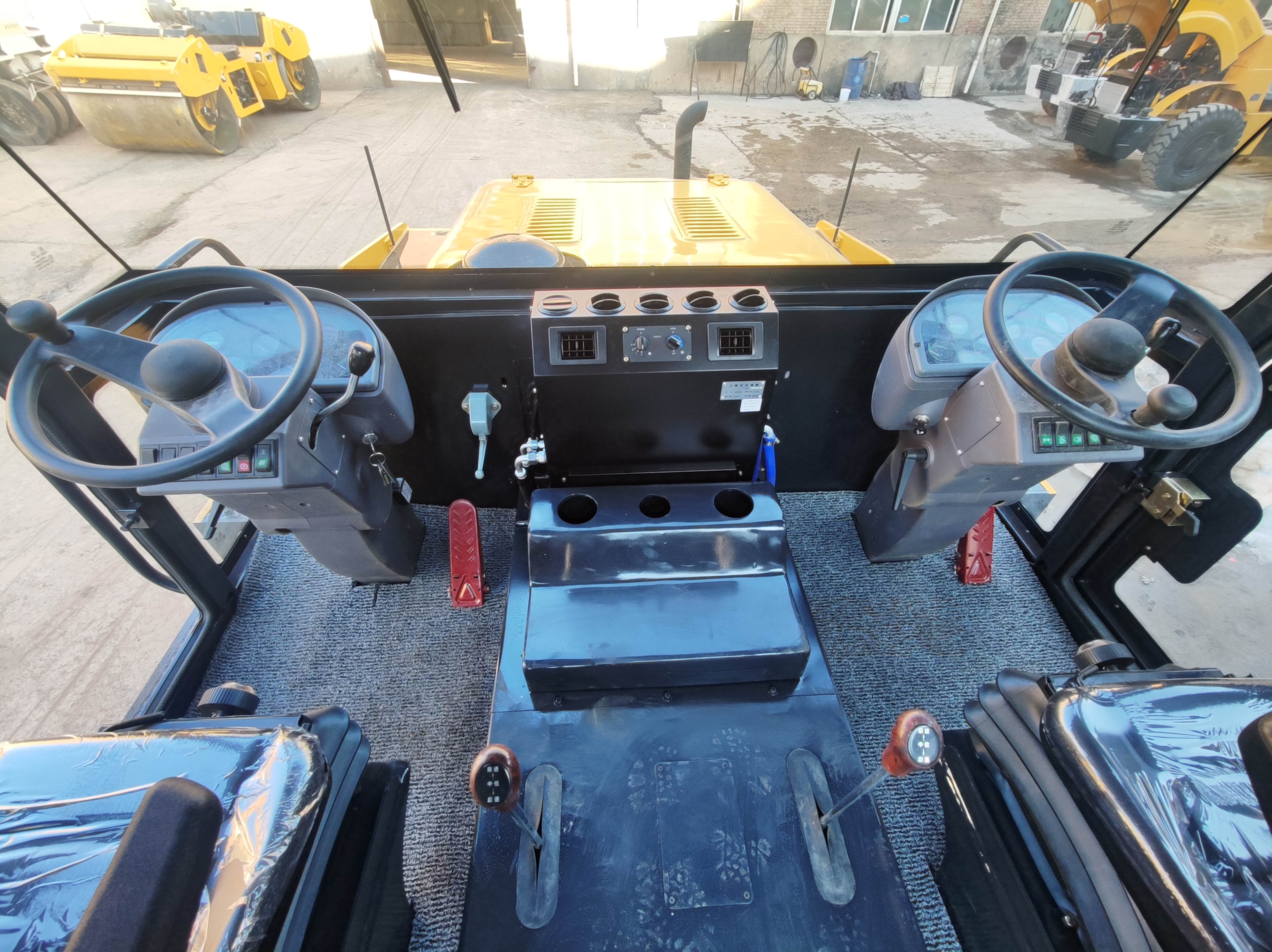
Comfortable Operation:
This 30-ton pneumatic tire roller uses a fully hydraulic drive, fully hydraulic braking, and continuously variable transmission (CVT) technology, making operation both comfortable and safe.
Traditional mechanical rollers, due to their bulky structure and mechanical gear shifting, often struggle to operate smoothly in group operations or frequent direction changes.
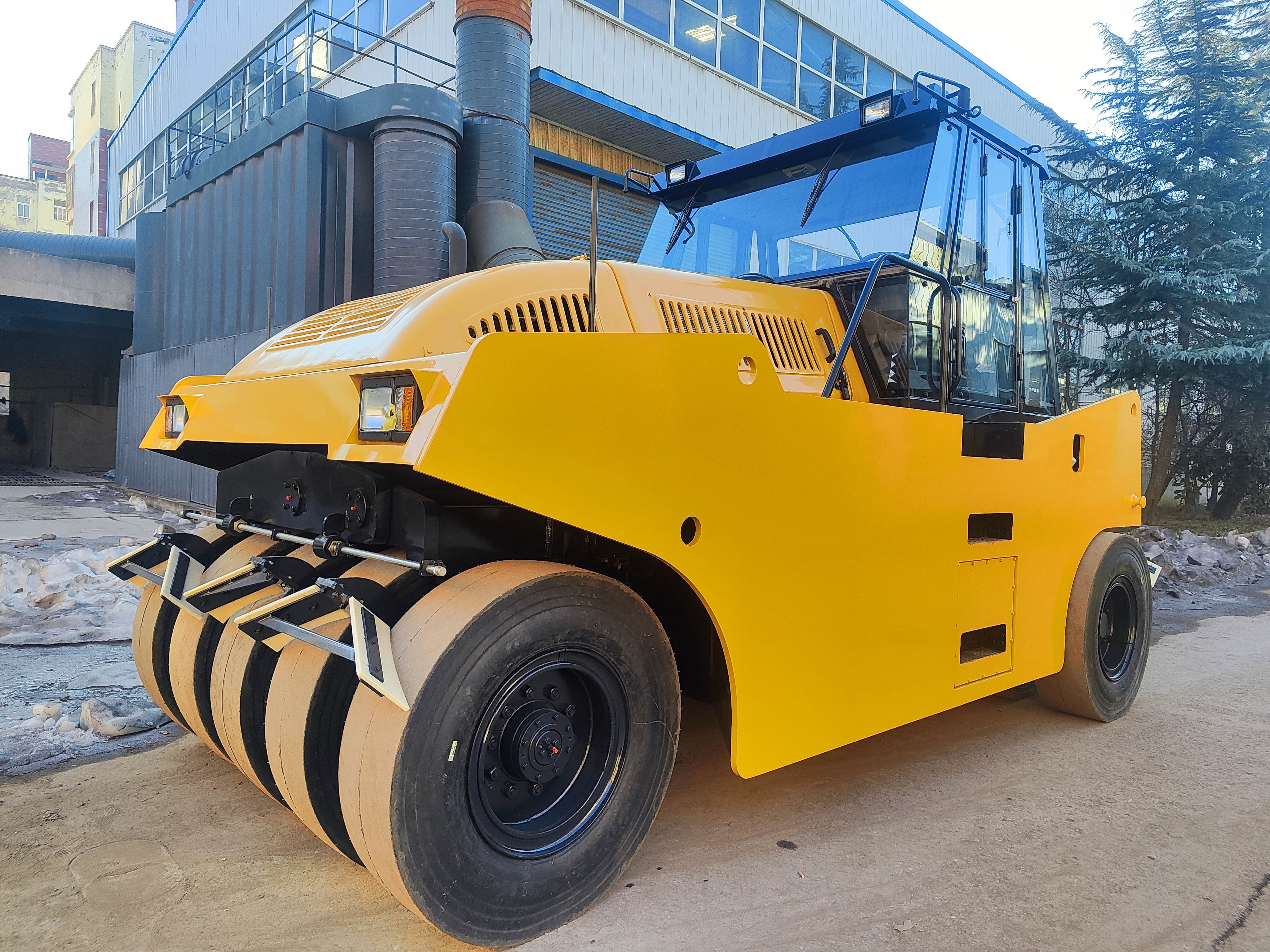
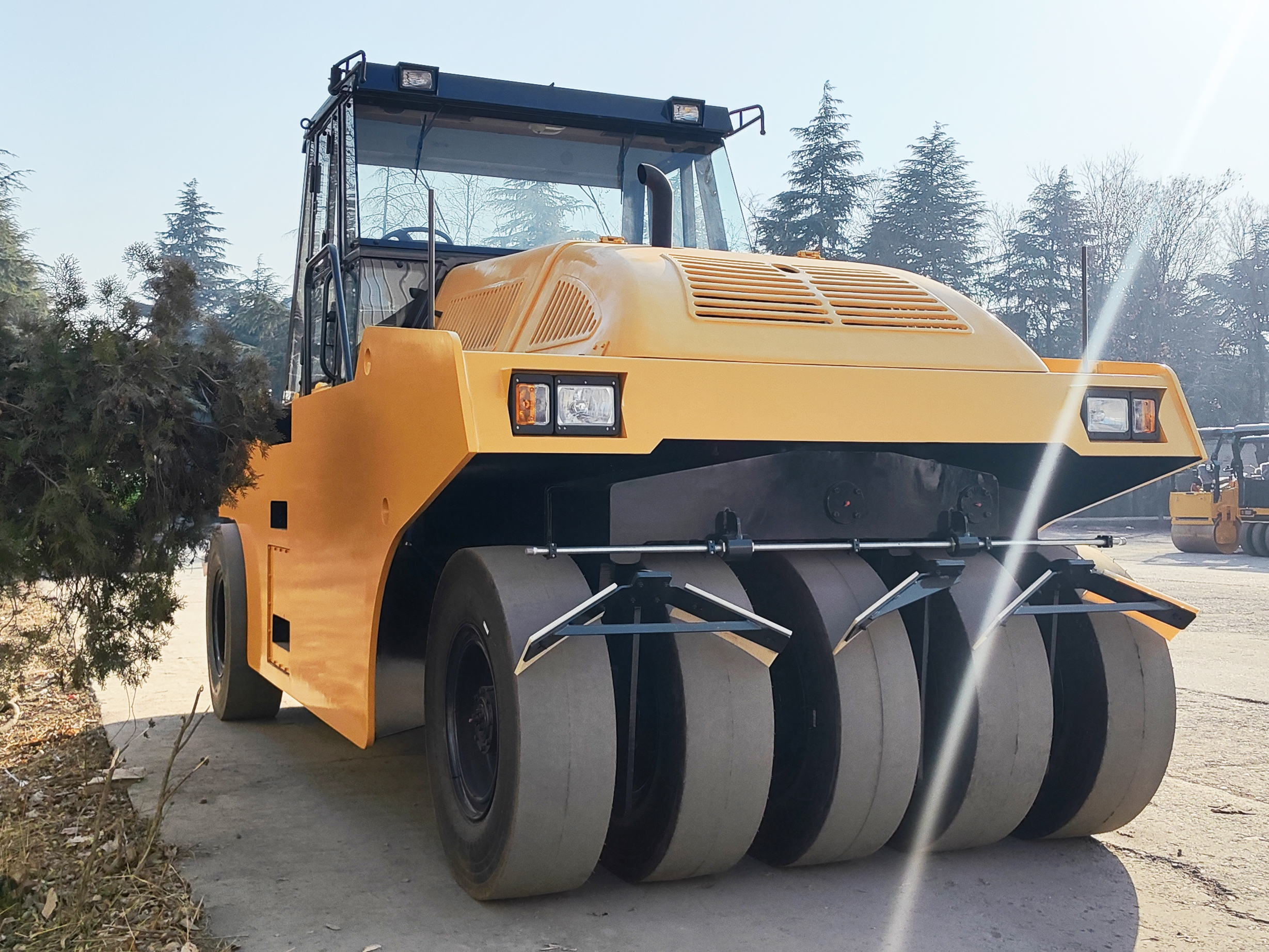
Smooth Start-Stop:
This 30-ton fully hydraulic pneumatic tire roller reduces the impact of rigid vibrations on the asphalt pavement during start-up and stopping, achieving smooth start-up and smooth stopping,
thus better protecting the road surface and ensuring compaction results.
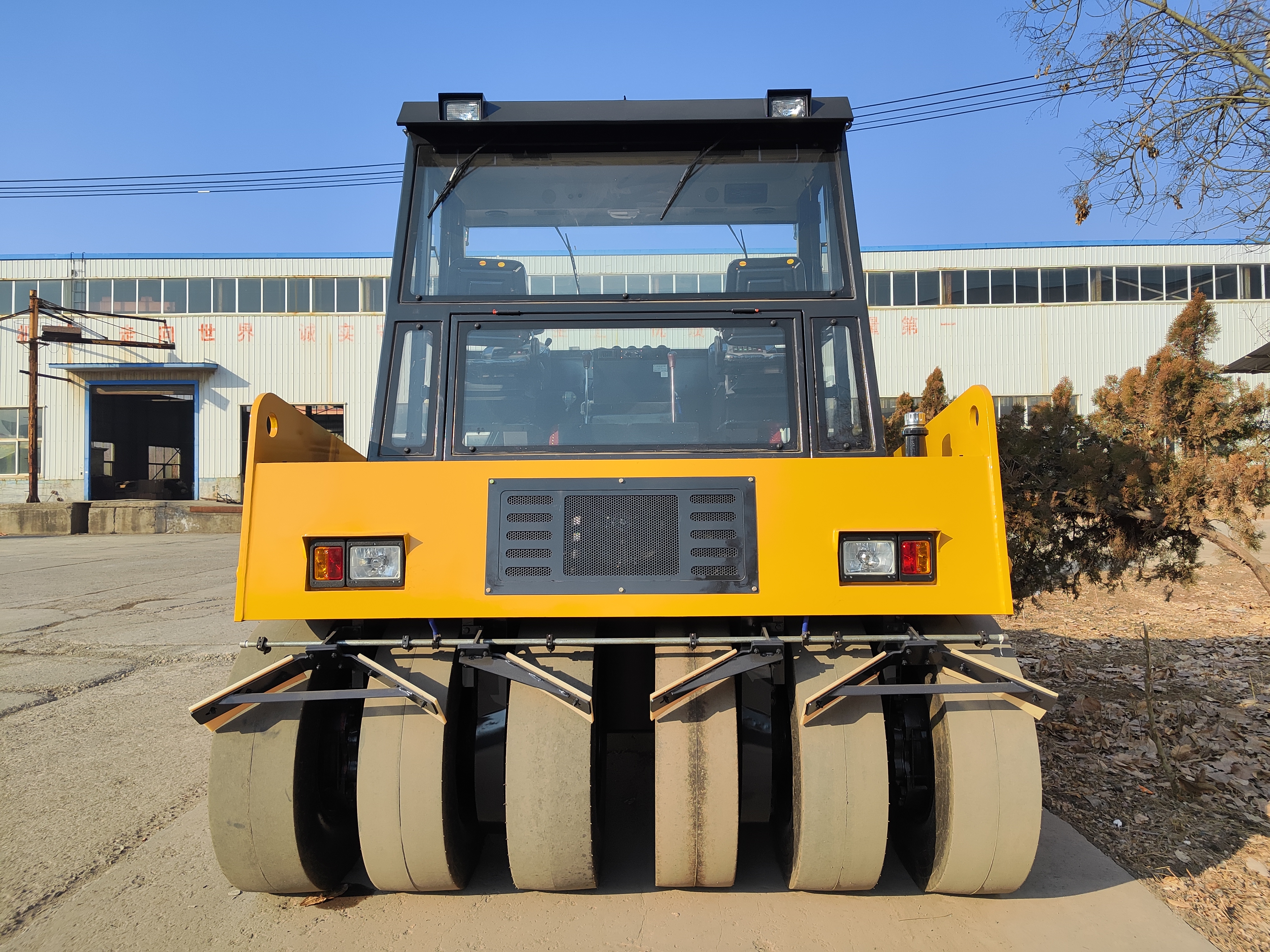
Easy Adjustment
This Lutong fully hydraulic pneumatic tire roller is equipped with 5 front and 6 rear smooth tires. Its capacity can be adjusted from 20 to 30 tons by adding or removing counterweights. The ground contact pressure
can be adjusted by changing the tire pressure, and the floating position of each of the 5 front tires can be adjusted to repair uneven road surfaces.
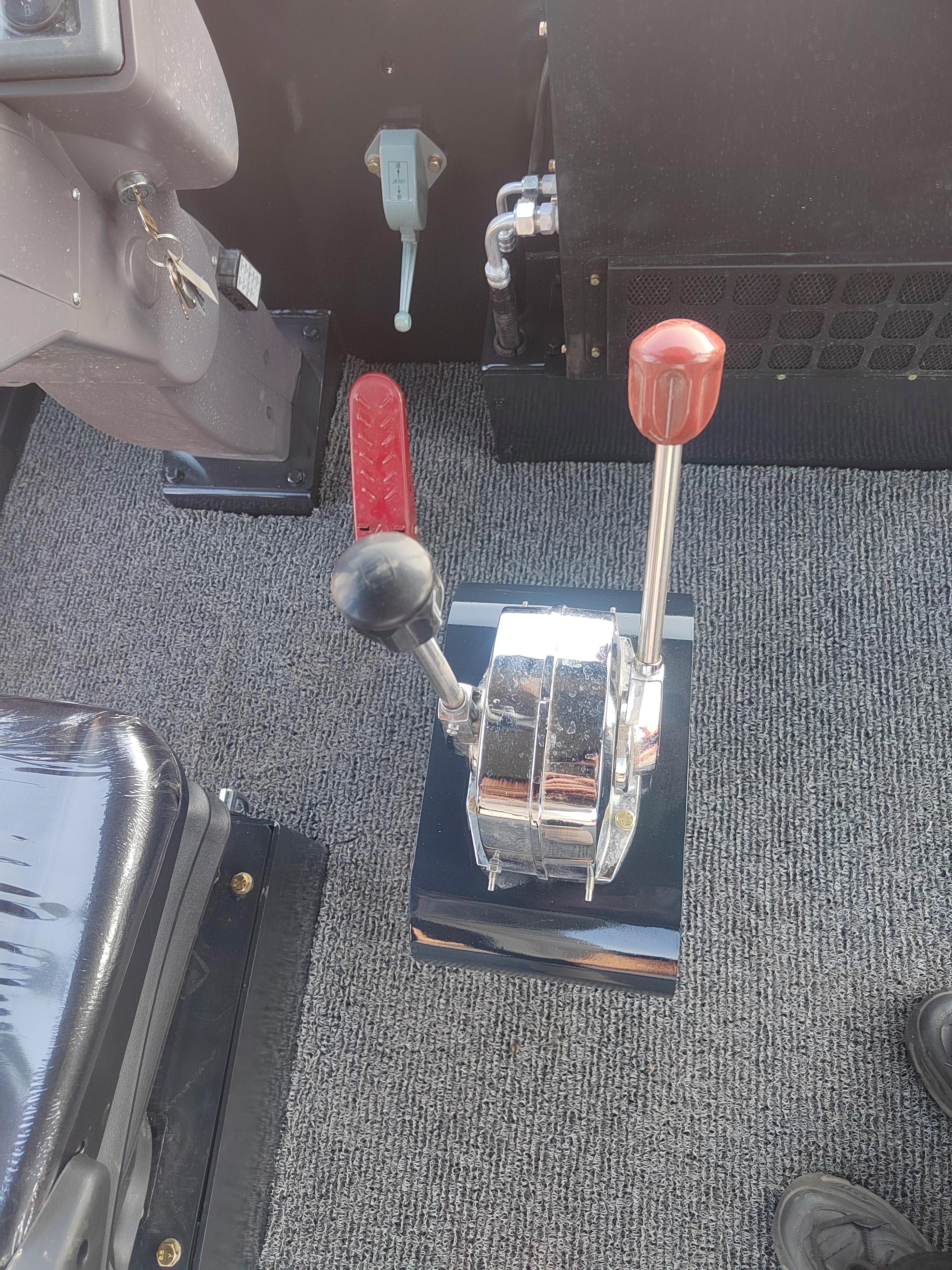
Furthermore, the air-conditioned cab with dual controls and two seats adds significantly to the vehicle's appeal.